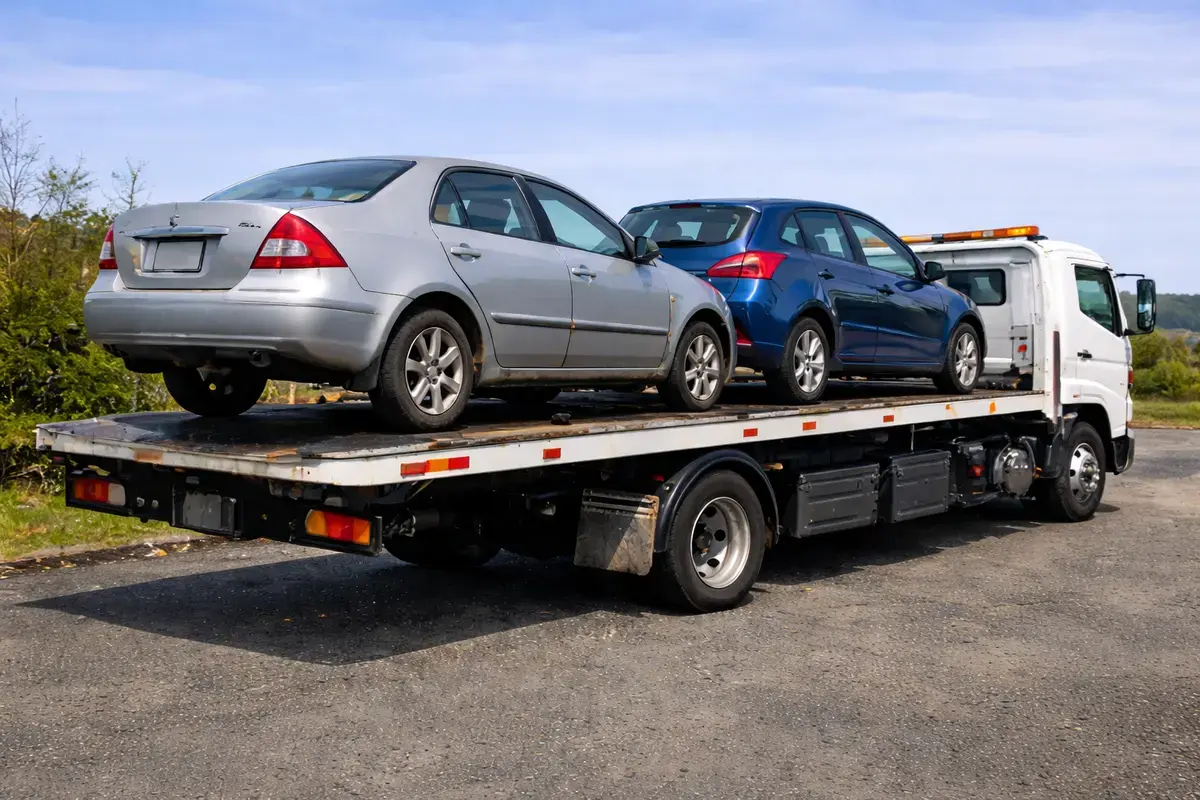
A crash is stressful, even a small one. In the minutes afterwards, most people aren't sure what the law requires, who to call, or what to say to the other driver. Over the next few days the questions keep coming: Will insurance cover it? Is it worth fixing? What does "written off" mean? This guide answers those questions in order, from the roadside to the final decision about your car. It's written for drivers in Henderson, New Lynn, Massey, Te Atatū, Glen Eden, Titirangi, Hobsonville and the rest of West Auckland, but most of it applies anywhere in New Zealand.
Key takeaways
- If anyone is hurt, or the road is blocked or dangerous, call 111. For a non-urgent traffic incident from a mobile, dial *555.
- NZ law says you must stop, check for injuries and swap details. Injury crashes must be reported to Police within 24 hours.
- Injuries are covered by ACC whoever was at fault. See a doctor even if you feel fine.
- Photograph everything before the cars are moved. Good photos make insurance claims faster and fairer.
- A car that isn't worth repairing still has cash value. A crash rarely means your car is worth nothing.
Contents
- At the scene: the first 15 minutes
- Your legal obligations after a crash in NZ
- How to document the damage properly
- Injuries and ACC
- Towing a crashed car (and avoiding tow-truck traps)
- Making an insurance claim
- What "written off" really means
- Repair or scrap? A simple decision framework
- Hidden damage most people miss
- Selling an accident-damaged car
- Printable post-crash checklist
- Frequently asked questions
- Sources and further reading
1. At the Scene: The First 15 Minutes
Your priorities, in order, are people, then safety, then paperwork.
- Stop and turn on your hazard lights. If you can drive the car and it's safe to move, pull clear of live traffic onto the shoulder, a side street or a car park. On busy roads like Lincoln Road, Great North Road, Te Atatū Road or the State Highway 16 and 18 motorways, staying in a live lane is dangerous.
- Check everyone for injuries. That includes you, your passengers, the other driver, cyclists and pedestrians. Don't move anyone who may have a neck or back injury unless there's an immediate danger such as fire.
- Call the right number. Dial 111 if anyone is injured, a vehicle is on fire or leaking fuel, the road is blocked, or a driver seems drunk or aggressive. For a non-injury crash that doesn't need an urgent response, dial *555 from a mobile, or report it to Police later on 105.
- Make the scene safe. Get passengers out of the cars and away from traffic, behind a barrier if there is one. Wear a hi-vis vest if you carry one. Switch off the ignition.
- Watch for leaking fluids. Fuel, coolant and oil make the road slippery and can be a fire risk. Don't smoke near the vehicles.
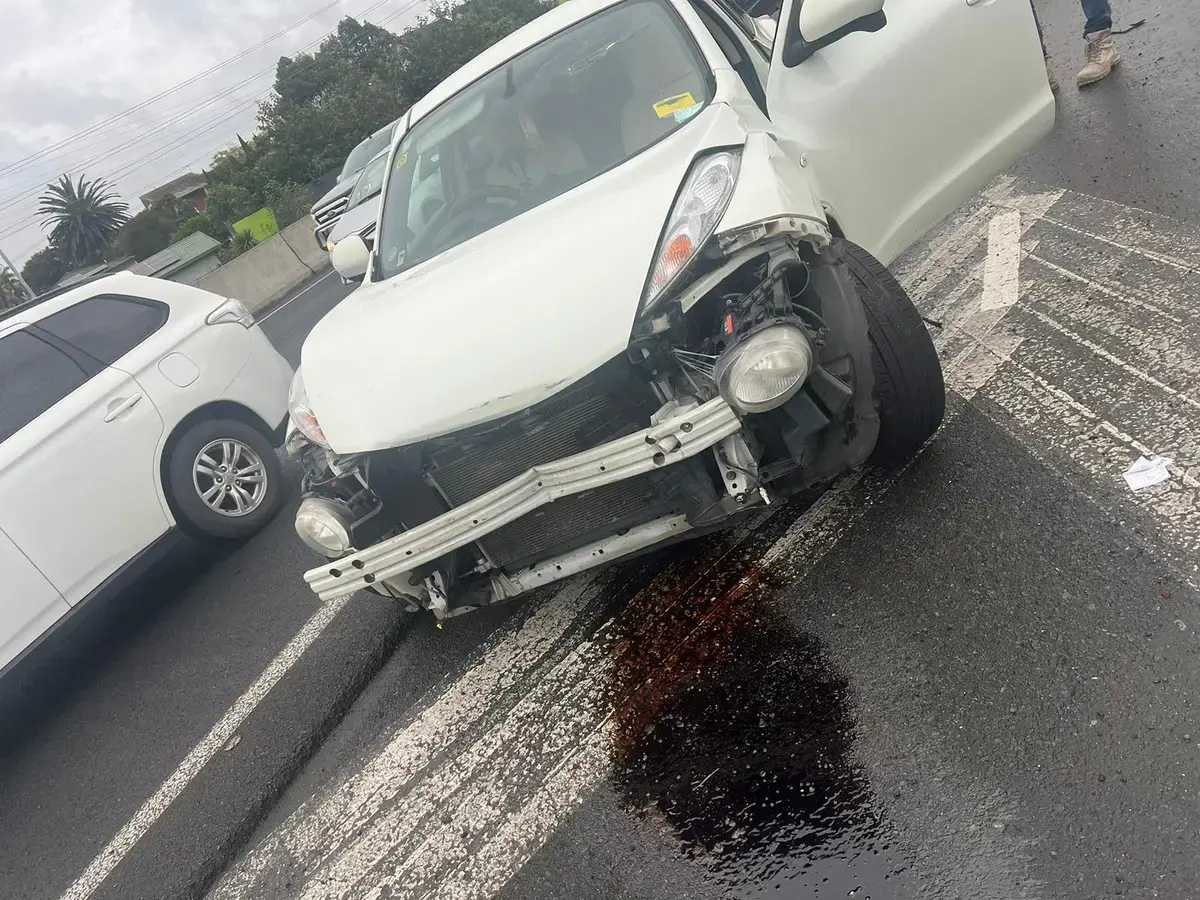
Don't argue about who's to blame. You don't have to admit fault, and you shouldn't. Many insurance policies say you must not admit liability or promise to pay. Stick to facts, be polite and leave the fault question to the insurers.
2. Your Legal Obligations After a Crash in NZ
New Zealand's Land Transport Act 1998 sets out what drivers involved in a crash must do. In plain English:
| Situation | What you must do |
|---|---|
| Any crash | Stop, check whether anyone is injured, and give help if needed |
| Someone is injured or killed | Report the crash to Police as soon as reasonably practicable, and no later than 24 hours afterwards |
| Damage only, other party present | Give your name and address, the vehicle owner's name and address, and the registration number to anyone who reasonably asks |
| Damage only, owner can't be found (for example, you hit a parked car or a fence) | Report to Police as soon as reasonably practicable, and no later than 60 hours afterwards. Leaving a note with your details is good practice too. |
Failing to stop or to report an injury crash is a serious offence. If you're unsure, report it. This is general information, not legal advice; check the official sources listed at the end, or speak to a lawyer or Community Law if you're facing charges.
Details to collect from the other driver
- Full name, address and phone number
- The vehicle owner's name and address, if different (for example, a company or rental car)
- Registration plate, make, model and colour
- Their insurance company, if they'll share it
- Names and phone numbers of any witnesses
3. How to Document the Damage Properly
Good evidence is the single biggest thing you can do to speed up a claim and avoid disputes. Before the vehicles are moved (if it's safe), use your phone to capture:
- Wide shots showing both cars, their positions, the road layout, lane markings, signs and traffic lights
- Close-ups of all damage on every vehicle, from several angles
- Plates and the other driver's licence (ask first)
- Road conditions: wet surface, potholes, debris, skid marks, poor lighting
- Dashcam footage. Save it straight away, because many dashcams record over old footage.
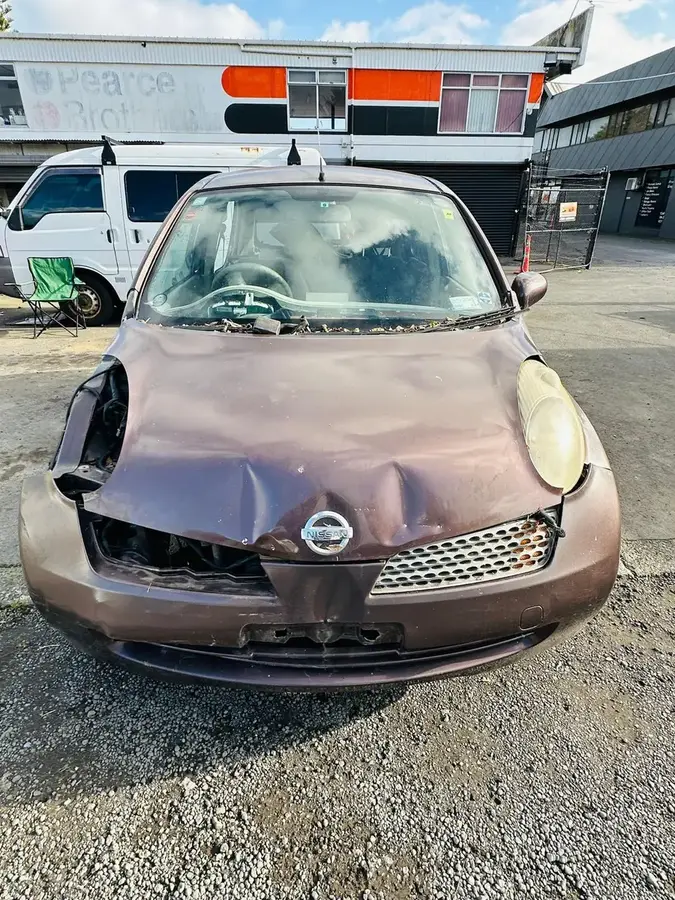
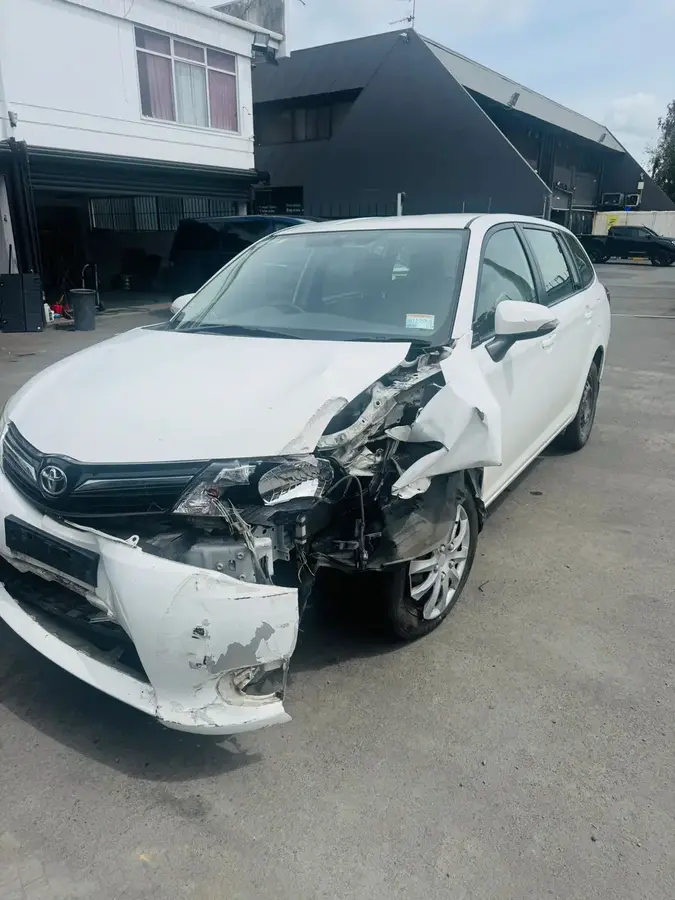
Write a short note while it's fresh: the time, the place (nearest street number or intersection), the direction each car was travelling, the weather and what happened. Your memory fades fast, and insurers ask for exactly these details.
4. Injuries and ACC
In New Zealand, the Accident Compensation Corporation (ACC) covers injuries from road crashes on a no-fault basis. It doesn't matter who caused the accident. Because of this, you generally can't sue another driver for personal injury, but you can still claim for vehicle and property damage through insurance or from the at-fault driver.
- See a GP, physio or urgent care clinic even if you feel fine. Whiplash and concussion symptoms can take a day or two to show up.
- Your health provider usually lodges the ACC claim for you.
- ACC can help with treatment costs and, in some cases, weekly compensation if you can't work.
5. Towing a Crashed Car (and Avoiding Tow-Truck Traps)
If your car can't be driven safely (leaking fluids, warning lights, a damaged wheel or steering, broken lights or an airbag that's gone off), it needs to be towed. Your options are:
- Your insurer's tow service. Most comprehensive policies include towing to a repairer or a secure yard. Call the claims line first.
- Roadside assistance such as an AA membership, which may cover towing a short distance.
- A tow operator Police arrange when a vehicle has to be cleared from the road quickly.
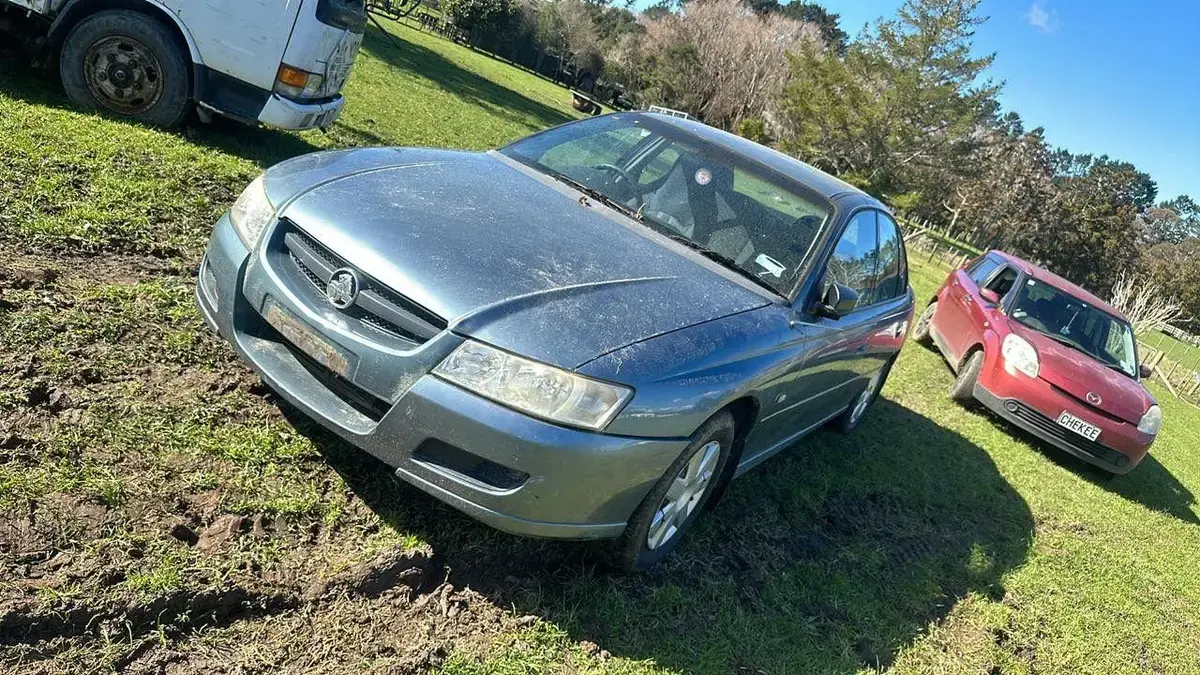
Watch out for
- Unrequested tow trucks that turn up and pressure you to sign. Ask who called them. You can usually choose who tows your car.
- Daily storage fees. Before you agree, ask where the car is going and what storage costs per day. A car left sitting in a yard during a long claim can run up a big bill.
- Signing blank forms. Read anything before you sign it, and take a photo of it.
6. Making an Insurance Claim
Call your insurer as soon as you can. Most have 24/7 claims lines, and many policies require you to report a crash promptly. What you're covered for depends on your policy type:
| Policy type | Your car's damage | Other people's property |
|---|---|---|
| Comprehensive | Covered (minus your excess), whoever was at fault | Covered |
| Third party, fire & theft | Not covered for crash damage, only fire and theft. Some policies include limited cover if an identified uninsured driver was at fault. | Covered |
| Third party only | Not covered | Covered |
| No insurance | You pay, or you recover the cost from the at-fault driver | You may be personally liable |
Tips for a smoother claim
- Give your insurer the photos, notes, witness details and the other party's information.
- Ask whether you'll pay an excess, and whether it's waived if the other driver is found to be at fault.
- Ask about a courtesy car or rental cover, if your policy has it.
- If the at-fault driver is uninsured, you can ask them to pay directly. If they won't, the Disputes Tribunal handles most car damage claims without lawyers.
- If you're unhappy with how your insurer handles the claim, use their internal complaints process first. After that, you can take it to their free independent dispute resolution scheme, such as the Insurance & Financial Services Ombudsman (IFSO) or Financial Services Complaints Ltd (FSCL).
7. What "Written Off" Really Means
An insurer "writes off" a car (calls it a total loss) when repairing it doesn't make financial sense. That's usually when the repair cost, plus salvage and other costs, comes close to or exceeds the car's insured or market value. Every insurer sets its own threshold, so a car one company would fix, another might write off.
- Settlement: you're normally paid the agreed or market value in your policy, minus your excess. Check which one your policy uses. "Agreed value" and "market value" can differ by thousands.
- Who owns the wreck: once the insurer pays out, it usually owns the damaged car and sells it as salvage. Some insurers let you buy it back by deducting a salvage value from your payout.
- Statutory write-offs: an insurance write-off is a financial decision. Separately, some severely damaged vehicles are recorded by Waka Kotahi as statutory write-offs and can't be re-registered for road use. Always check a car's status before you buy it back or buy a repaired vehicle.
- Can't agree on value? Gather evidence such as comparable listings on Trade Me, service records and receipts for recent work, and ask your insurer to review the valuation.
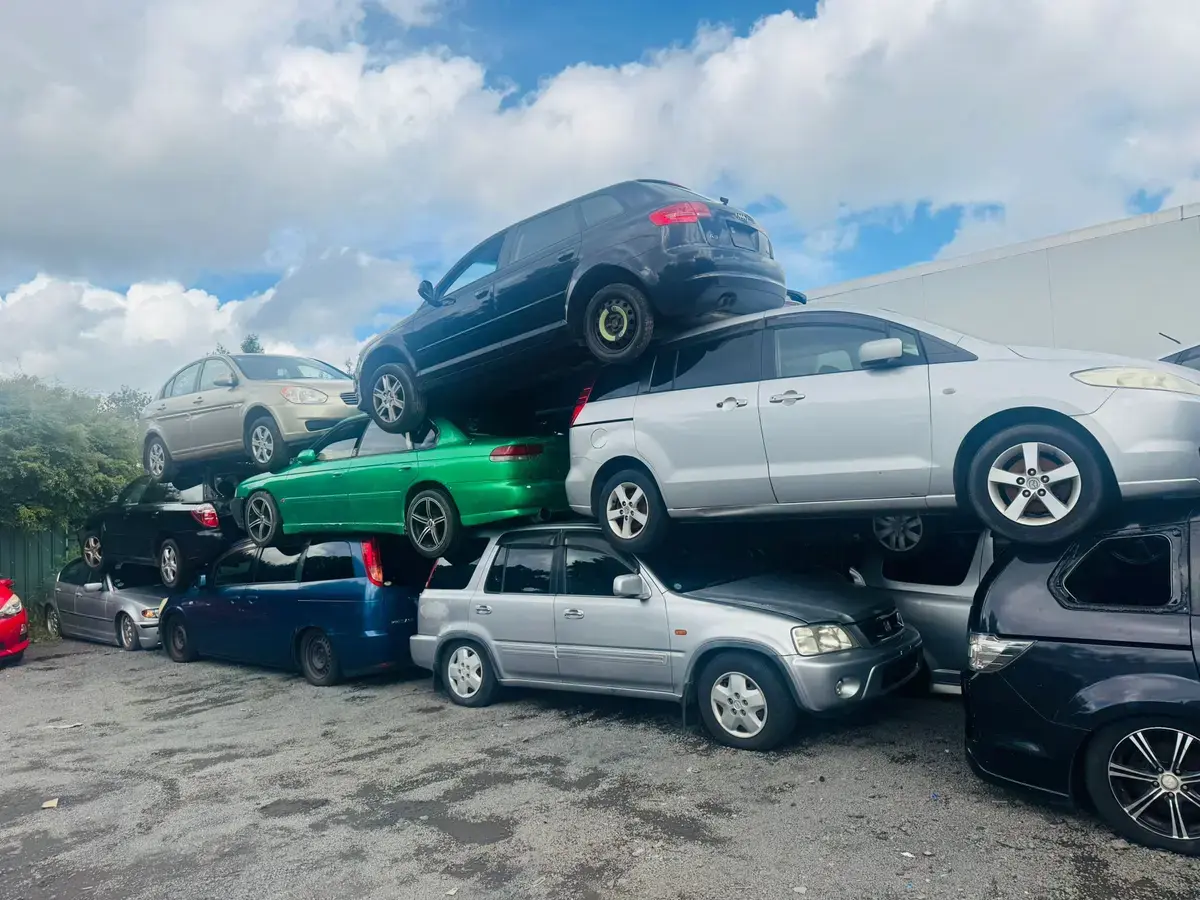
For more on what happens next, read what happens when you sell your car to wreckers and our written-off cars page.
8. Repair or Scrap? A Simple Decision Framework
If you're uninsured, only have third-party cover, or your insurer offers a buy-back, you'll need to decide for yourself whether to fix the car. Use this rule of thumb:
The 50% rule: if the full repair quote is more than about half of what the car would be worth once repaired, or the car is older than about 15 years with high kilometres, selling it as-is usually makes more financial sense than fixing it.
| Factor | Points to repair | Points to sell as-is |
|---|---|---|
| Repair cost vs repaired value | Under 30% | Over 50% |
| Damage type | Cosmetic: panels, bumper, lights | Structural: chassis rails, pillars, airbags deployed, flood |
| Age and kilometres | Under 10 years, low km | 15+ years, 200,000+ km |
| Mechanical condition before the crash | Well maintained, recent WOF | Already needed work (oil leaks, gearbox, rust) |
| Parts availability | Common model, parts easy to find | Rare import, long wait for parts |
| Your situation | You love the car and it suits you | You need cash quickly for a replacement |
Worked example
A 2008 hatchback worth about $4,500 before the crash takes a front-corner hit. The panel shop quotes $3,200 for a bumper, headlight, bonnet, radiator and wheel alignment. That's roughly 70% of its value. Add the risk of hidden damage (see below), and selling as-is, then putting the money and the time saved towards a replacement, is usually the better move.
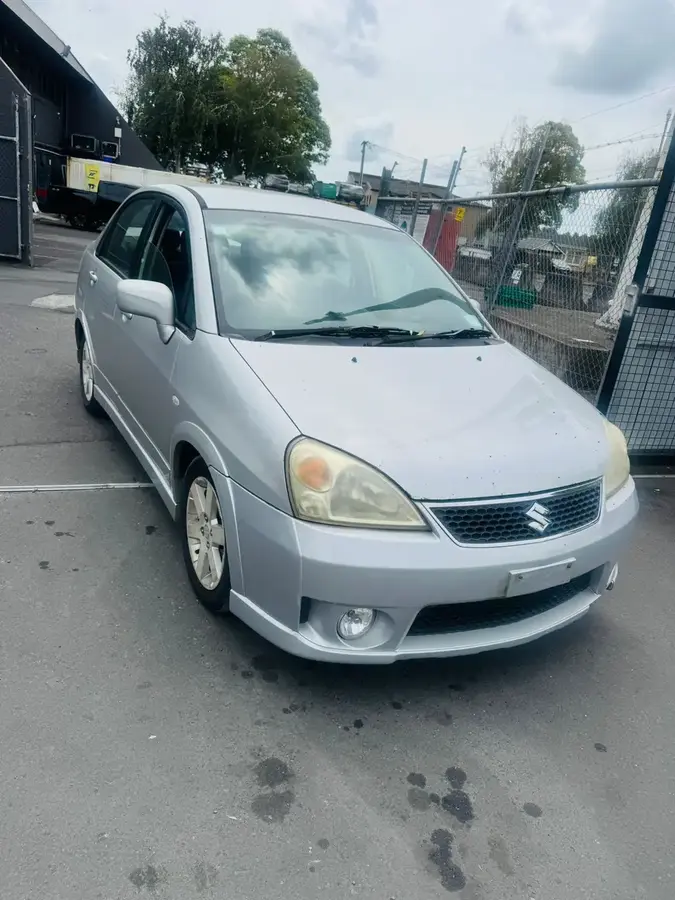
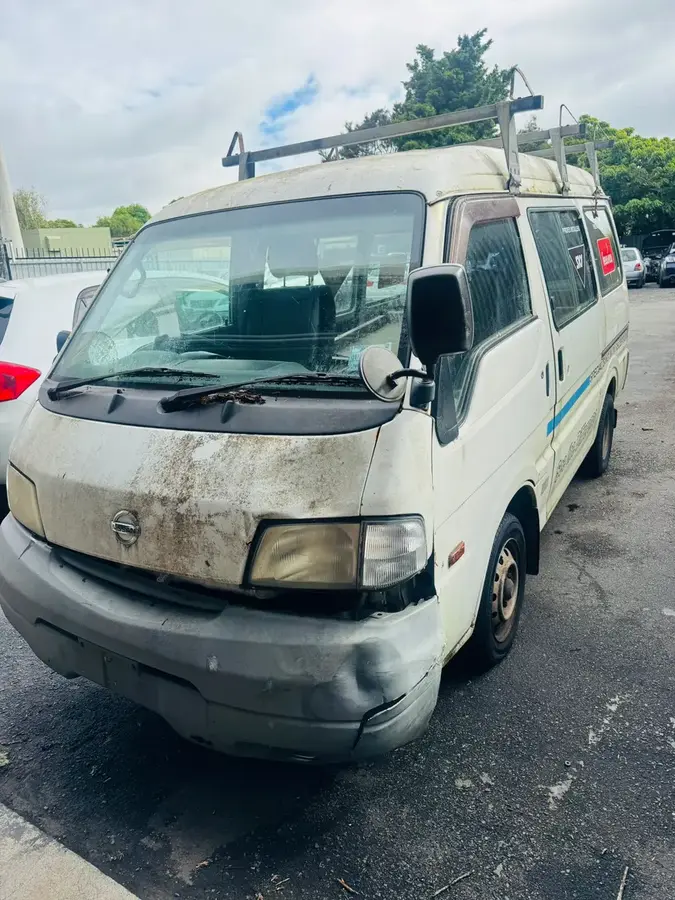
Not sure what your car is worth damaged? Our 2026 price guide and scrap car value breakdown explain how damaged cars are valued.
9. Hidden Damage Most People Miss
What you can see on the outside is often only part of the bill. Even a "minor" crash at 30–40 km/h can damage:
- Radiator, condenser and cooling fans, which sit right behind the front bumper. A slow coolant leak can overheat and wreck the engine weeks later.
- Chassis rails and crumple zones. They're designed to absorb impact once. Repairing them properly needs a jig and specialist work.
- Suspension and steering parts such as control arms, tie rods and wheel bearings. Look out for the steering wheel sitting off-centre or the car pulling to one side.
- Airbags and seatbelt pretensioners. If they've gone off, replacing them is expensive and must be done by a professional.
- Driver-assist sensors and cameras in newer cars. Radar and lane cameras in bumpers and windscreens often need recalibrating after repairs.
- Wiring looms and headlight levelling sensors, which can cause intermittent electrical faults.
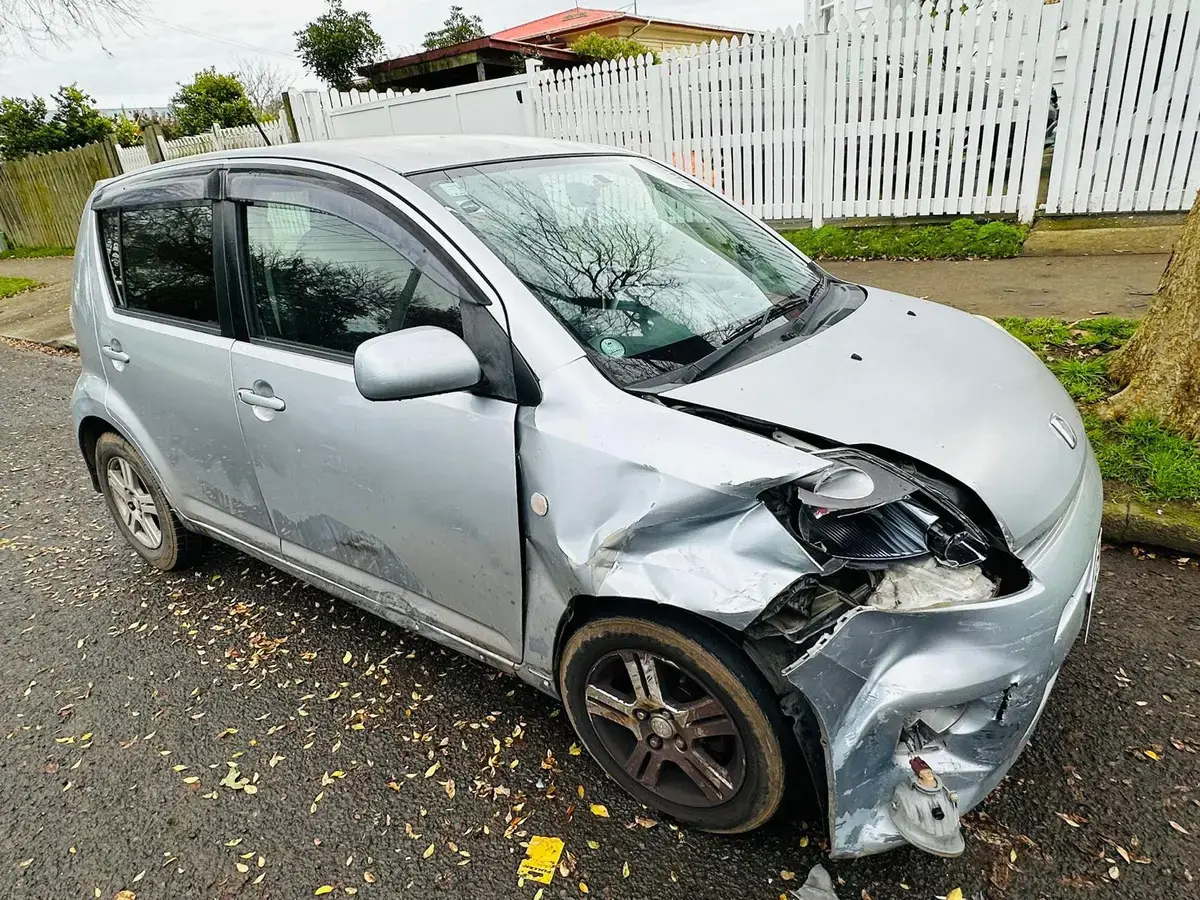
Always ask for a written, itemised repair quote after the car has been looked at properly, not a guess from a photo. If you have a WOF due soon, remember the repaired car must pass inspection too.
10. Selling an Accident-Damaged Car
If you decide not to repair, you have three main options:
- Private sale as-is on Trade Me or Facebook Marketplace. This can work for sought-after models, but expect lowball offers and time-wasters. You also need to arrange towing for the buyer, and you must describe the damage honestly.
- Trade-in at a dealer. It's convenient, but dealers usually offer very little for damaged stock.
- A licensed cash for cars buyer or wrecker. You get a quick quote, free towing (even if the car can't be driven), payment on the spot and the NZTA paperwork handled. See our accident-damaged car service.
Whoever buys it, submit the NZTA notice of sale (or make sure the licensed trader does). Otherwise, you stay liable for any tickets and tolls linked to the plate. Our ownership transfer guide explains the process.
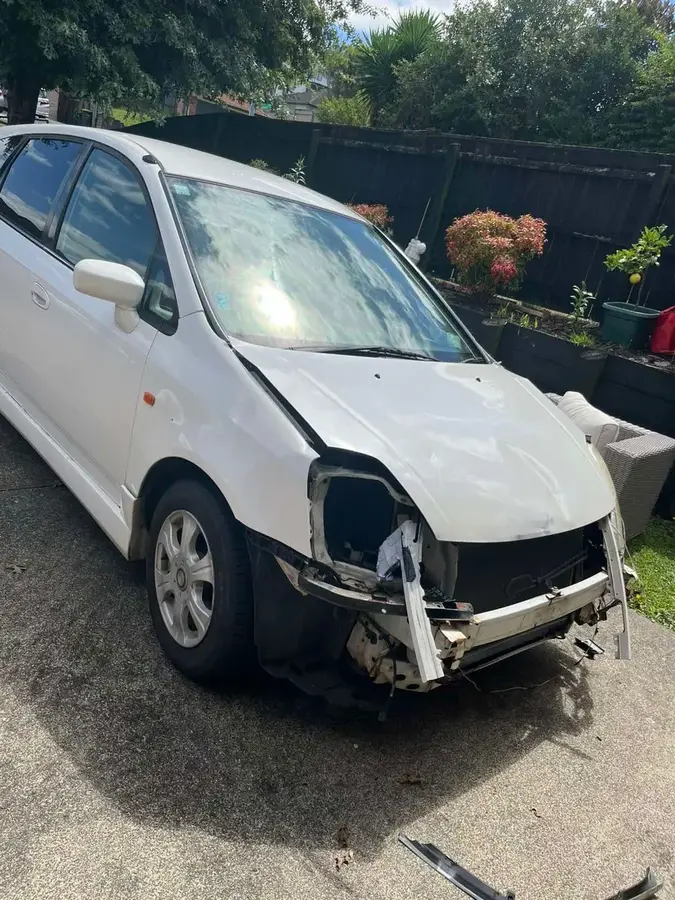
For a side-by-side comparison of the options, read cash for cars vs private sale. If your car has no current WOF after the crash, see selling a car without WOF or rego.
11. Printable Post-Crash Checklist
Save this to your phone or keep a printed copy in the glovebox:
At the scene
- ☐ Hazard lights on, move to safety if possible
- ☐ Check for injuries, then call 111 (emergency) or *555 (non-urgent traffic)
- ☐ Swap names, addresses, owner details and plate numbers
- ☐ Photograph the scene, all vehicles, plates and road conditions
- ☐ Get witness names and numbers
- ☐ Don't admit fault
Within 24–60 hours
- ☐ Report to Police if anyone was injured (within 24 hours) or the owner of damaged property couldn't be found (within 60 hours)
- ☐ See a doctor, and let them lodge an ACC claim if needed
- ☐ Lodge your insurance claim and send your photos
- ☐ Save your dashcam footage
- ☐ Find out where your car was towed and what storage costs
Deciding what to do with the car
- ☐ Get an itemised repair quote
- ☐ Compare the repair cost with the car's repaired value (the 50% rule)
- ☐ If it's written off, check the settlement type (agreed or market value) and any buy-back offer
- ☐ If you're selling, get a cash quote and confirm towing is free
- ☐ Remove personal items, toll tags and garage remotes, and unpair your phone
- ☐ Make sure the NZTA notice of sale is done, and cancel or adjust your insurance
12. Frequently Asked Questions
Do I have to call the Police after a minor car accident in NZ?
Not always. If nobody is hurt and you've swapped details with the other driver, you don't usually have to report it. You must report it to Police within 24 hours if anyone is injured, or within 60 hours if you damaged property and couldn't find the owner. Call 111 in an emergency, or *555 for non-urgent traffic incidents.
Does ACC cover me if the crash was my fault?
Yes. ACC covers injuries from road crashes on a no-fault basis, so you're covered whoever caused it. ACC doesn't cover damage to vehicles or property. That goes through insurance or the at-fault driver.
What happens if the other driver has no insurance?
If you have comprehensive cover, your insurer usually pays for your repairs and may try to recover the cost from the other driver. Some third party, fire and theft policies include limited uninsured-driver cover. Otherwise, you can ask the at-fault driver to pay, and if they refuse, file a claim with the Disputes Tribunal.
How do I know if my car is worth repairing after an accident?
Compare an itemised repair quote with what the car would be worth once fixed. If the repair costs more than about half that value, or the car is old with high kilometres or structural damage, selling it as-is is usually better value.
Can I keep my car if the insurer writes it off?
Sometimes. Many insurers offer a buy-back, deducting the salvage value from your payout. Check whether the car has been recorded as a statutory write-off, because if it has, it can't be re-registered for road use.
Can you buy a crashed car that won't drive?
Yes. We buy accident-damaged, non-running and written-off cars across West Auckland, tow them for free and handle the NZTA paperwork. Call 0800 705 243 for a quote.
13. Sources and Further Reading
Laws, insurance terms and processes change, so always check official sources for the latest information:
- Land Transport Act 1998 (duties of drivers involved in a crash)
- Waka Kotahi NZ Transport Agency: The Official New Zealand Road Code (what to do at a crash)
- New Zealand Police (111, *555 and 105 reporting)
- ACC (injury cover after a road crash)
- Disputes Tribunal (recovering vehicle damage costs)
- Insurance & Financial Services Ombudsman and Financial Services Complaints Ltd (insurance disputes)
- Consumer Protection (buying and selling vehicles)
- Community Law (free legal help)
Share or cite this guide
Driving schools, community groups, residents' associations, insurance brokers and local news sites are welcome to link to this guide. Copy the code below to add it to your website or newsletter:
Spotted something that's out of date? Let us know and we'll update the guide.
Related guides
- Cash for Damaged, Flood-Damaged & Written-Off Cars in West Auckland
- NZ Insurance Write-Off Categories Explained: Statutory vs Repairable, the Written-Off Register and How to Sell
- Should I Repair or Scrap My Car? A Decision Framework for West Auckland Owners
- The Complete Guide to Selling a Scrap Car in West Auckland (2026)
- Cash For Cars West Auckland — Price Guide 2026
Crashed Car Not Worth Fixing?
We buy accident-damaged and written-off cars across West Auckland, from Avondale to Piha. You get cash on the spot, free towing and the NZTA paperwork handled. Call 0800 705 243 for an instant offer.
Call 0800 705 243